Introduction
As businesses across the globe face increasing pressure to adopt environmentally friendly practices, the concept of sustainability has moved from a “nice-to-have” to a critical component of modern industrial operations. Sustainability in industrial infrastructure is no longer just about compliance with regulations—it’s about building a competitive advantage, reducing operational costs, and meeting the growing demands of eco-conscious consumers and partners.
In this blog, we’ll explore how integrating sustainability into industrial infrastructure can transform businesses and contribute to a greener future, while still maintaining efficiency and profitability.
What is Sustainable Industrial Infrastructure?
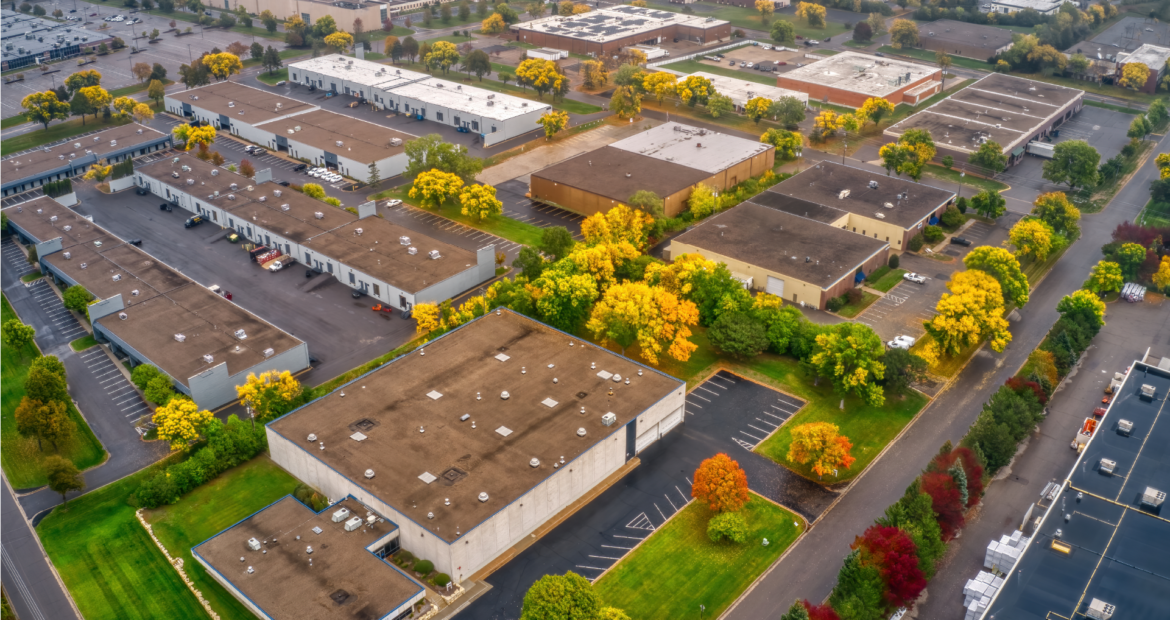
Sustainable industrial infrastructure refers to the design, construction, and operation of industrial spaces that minimize environmental impact, conserve resources, and reduce waste. This approach to infrastructure focuses on long-term ecological balance while still enabling businesses to operate at maximum efficiency.
At Arris A.N, we specialize in developing industrial spaces that not only meet operational requirements but also prioritize sustainability. By integrating energy-efficient technologies, eco-friendly materials, and resource-conserving systems, we help businesses minimize their environmental footprint while maintaining high levels of productivity.
Key Elements of Sustainable Industrial Infrastructure
- Energy Efficiency
Energy consumption is one of the largest contributors to operational costs in industrial settings, and traditional energy sources often have a significant environmental impact. By adopting energy-efficient technologies, businesses can drastically reduce their energy usage, lower their carbon footprint, and save on utility costs.
Solutions include:
- LED lighting systems that consume less electricity while providing better illumination.
- Smart HVAC systems that optimize heating, cooling, and ventilation based on real-time needs, reducing energy waste.
- Solar panels or other renewable energy sources to generate clean energy on-site, reducing dependency on fossil fuels.
By integrating these solutions into industrial facilities, Arris A.N helps businesses reduce their long-term energy costs and environmental impact.
- Water Conservation
Industrial processes often require significant water usage, and without efficient management, this can lead to both financial and environmental costs. Sustainable infrastructure solutions focus on conserving water through recycling, rainwater harvesting, and advanced filtration systems.
Examples include:
- Rainwater harvesting systems that capture and store rainwater for industrial use.
- Water recycling systems that treat and reuse water within the facility, reducing the demand for fresh water.
- Low-flow fixtures in non-industrial areas, such as restrooms, to reduce water consumption.
These solutions ensure that businesses can maintain their operations without depleting local water resources, an increasingly important consideration in regions facing water scarcity.
- Eco-Friendly Materials and Construction Techniques
Sustainability starts with the materials and methods used to construct industrial facilities. By using recycled, renewable, and locally sourced materials, companies can significantly reduce the environmental impact of their infrastructure projects.
Additionally, adopting green building certifications such as LEED (Leadership in Energy and Environmental Design) helps ensure that facilities are designed with sustainability in mind. This includes factors such as energy efficiency, resource conservation, and the overall environmental impact of the building.
At Arris A.N, we use eco-friendly construction materials and techniques, ensuring that every facility is built with sustainability at the forefront.
- Waste Management and Recycling Systems
Proper waste management is crucial for industrial operations, where large quantities of waste materials are often generated. Sustainable industrial infrastructure incorporates efficient waste management and recycling systems to reduce landfill use and environmental harm.
Key approaches include:
- On-site recycling systems for materials such as packaging, metals, and plastics.
- Waste-to-energy technologies, where waste products are converted into energy for use within the facility.
- Composting systems for organic waste, turning it into useful products such as fertilizers.
By effectively managing waste, businesses not only reduce their environmental footprint but also often find new revenue streams or cost-saving opportunities through recycling and reuse.
- Sustainable Transportation Solutions
Industrial operations rely heavily on transportation for logistics and supply chain management, which can significantly contribute to carbon emissions. A key aspect of sustainable industrial infrastructure is developing transportation solutions that minimize environmental impact.
Solutions include:
- Proximity to public transport and shipping hubs to reduce transportation time and fuel consumption.
- On-site electric vehicle charging stations to encourage the use of eco-friendly vehicles.
- Smart logistics systems that optimize delivery routes to reduce fuel consumption and emissions.
By incorporating these transportation solutions into our industrial parks, Arris A.N ensures that businesses can maintain efficient logistics while reducing their carbon emissions.
The Benefits of Sustainable Industrial Infrastructure
1. Reduced Operational Costs
Sustainable infrastructure leads to significant cost savings over time. Energy-efficient technologies, water conservation systems, and waste management solutions help reduce utility bills and operational expenses, while also lessening the financial burden of environmental compliance.
2. Enhanced Brand Reputation
Today’s consumers and investors increasingly favor companies that prioritize sustainability. By adopting green practices, businesses can improve their brand reputation, attract eco-conscious customers, and open up new opportunities with partners who prioritize sustainability.
3. Regulatory Compliance
With governments around the world introducing stricter environmental regulations, businesses that integrate sustainable infrastructure are better positioned to meet these requirements. This reduces the risk of fines, penalties, and costly retrofits down the line.
4. Long-Term Business Resilience
Sustainable infrastructure is designed with the future in mind. As energy prices rise, natural resources become scarcer, and environmental regulations tighten, businesses that have already adopted sustainable practices will be better equipped to thrive in an increasingly eco-conscious economy.
How Arris A.N is Leading the Way
At Arris A.N, sustainability is more than just a buzzword—it’s an integral part of our approach to industrial development. We believe that businesses can achieve both operational efficiency and environmental responsibility by investing in sustainable infrastructure.
Whether it’s through renewable energy integration, water conservation technologies, or eco-friendly construction practices, we help businesses create industrial spaces that are built for the future. Our sustainable industrial parks are strategically located to minimize transportation emissions while offering scalable infrastructure that grows with your business needs.
Conclusion: Building a Sustainable Future
As the world moves toward a more sustainable future, industrial infrastructure must evolve to meet new environmental standards and challenges. By integrating sustainable practices into the design, construction, and operation of industrial facilities, businesses can not only reduce their environmental impact but also improve efficiency and profitability.
At Arris A.N, we’re committed to building a greener, more sustainable future. If you’re ready to take the next step in creating an environmentally responsible industrial facility, contact us today to learn more about our sustainable infrastructure solutions.